

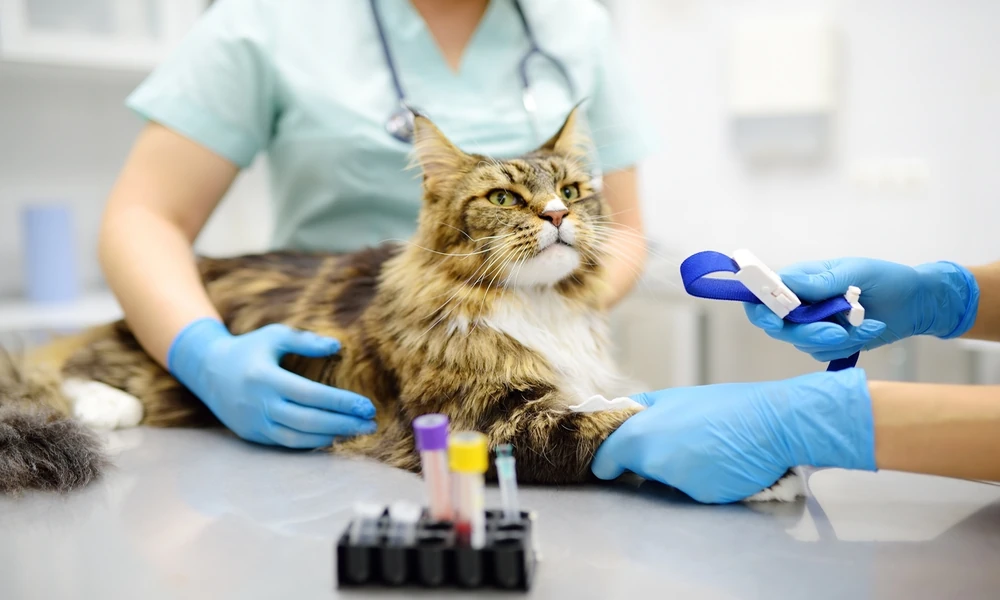
You might not think much about preventive care when your pet seems fine, and that is often how it starts. Your dog is still chasing toys, your cat is still claiming the sunny spot by the window, and life feels normal. Then a small change shows up. Maybe your pet skips a meal, scratches more than usual, or seems less playful, and suddenly you are wondering if you missed something important. That worry is real, because pets cannot explain what hurts. The good news is that many health problems can be caught early, and some can be avoided, when you keep up with routine care at an animal hospital that provides personalized veterinary care for your pet in Richmond, TX.
If you want the short answer, here it is. Four of the most common preventive services are wellness exams, vaccinations, parasite prevention, and dental care. These routine visits help protect your pet’s health, lower the chance of bigger medical problems later, and give you a clearer picture of what your pet needs at each stage of life. If you want more guidance on healthy pet habits, the CDC’s pet health and safety guidance is a helpful place to start.
Why do routine visits to an animal hospital matter so much?
It is easy to wait until something looks wrong, especially when life is busy and vet bills are always a concern. But that approach can turn a manageable issue into a stressful one. A minor ear infection can become a painful chronic problem. A little plaque on the teeth can lead to gum disease. Weight gain that seemed harmless can put strain on joints and organs over time.
Because of this tension, you might wonder whether regular visits are really worth it. In many cases, they are. Preventive care is designed to catch changes before they become emergencies. During a routine exam, a veterinarian may notice subtle signs you would never see at home, such as early dental disease, skin irritation, a heart murmur, or changes in weight and mobility. That is one reason small animal veterinary care places so much emphasis on ongoing wellness support, not just treatment after illness starts.
What are the 4 common preventive services offered by animal hospitals?
1. Wellness exams
A wellness exam is the foundation of preventive veterinary services. These visits give the veterinary team a chance to check your pet from nose to tail, track weight, listen to the heart and lungs, examine the eyes and ears, and talk with you about behavior, diet, and activity. For puppies, kittens, senior pets, or animals with chronic conditions, these checkups can be even more important.
2. Vaccinations
Vaccines help protect pets from contagious diseases that can spread quickly and cause serious harm. Which vaccines your pet needs depends on age, species, lifestyle, and exposure risk. A pet that spends time at boarding facilities, dog parks, or around other animals may need different protection than a pet that stays mostly indoors. Keeping vaccines current is one of the simplest ways an animal hospital helps support long term health.
3. Parasite prevention
Fleas, ticks, heartworms, and intestinal parasites are not just annoying. They can lead to skin problems, infection, anemia, and disease transmission. Some parasites can even affect people. Regular testing and preventive medication can reduce these risks. If your pet seems healthy, it is still worth staying consistent, because parasites often go unnoticed until the problem is harder to manage.
4. Dental care
Many pet owners are surprised to learn how common dental disease is. Bad breath is often treated like a small nuisance, but it can point to plaque buildup, gum inflammation, or infection. Preventive dental care may include oral exams, cleanings, and advice on brushing or dental chews. This is one of the most overlooked parts of pet preventive care, yet it can make a real difference in comfort and quality of life.
How do these preventive services compare when you are planning care?
When you are trying to decide what to schedule first, it helps to see the purpose of each service side by side. Some protect against sudden illness, while others help spot slow changes that can slip under the radar.
| Preventive Service | What It Helps Prevent or Detect | When It Is Often Needed | Why It Matters |
|---|---|---|---|
| Wellness Exam | Early signs of illness, weight changes, skin issues, joint problems | Usually once or twice a year, depending on age and health | Catches subtle problems before they grow |
| Vaccinations | Contagious diseases such as rabies and other preventable infections | Based on age, lifestyle, and vaccine schedule | Reduces the risk of serious illness and spread |
| Parasite Prevention | Fleas, ticks, heartworms, intestinal worms | Often monthly or seasonally, with regular testing | Protects both pets and household members |
| Dental Care | Plaque, gum disease, tooth loss, oral infection | Routine home care plus periodic professional evaluation | Supports comfort, eating, and overall health |
So, where does that leave you if your pet seems healthy today? It means today is often the best time to build a care plan. Preventive services are usually easier, less stressful, and less costly than treating advanced disease after it appears.
What steps can you take right now to protect your pet?
Schedule a baseline wellness visit. If it has been a while since your pet’s last exam, start there. A routine checkup creates a current health record and helps you understand what care is due now.
Ask for a simple prevention calendar. It is easy to lose track of vaccines, parasite medication, and dental follow ups. Ask the hospital for a written schedule so you know what comes next and when.
Watch for small changes at home. Pay attention to appetite, energy, breath odor, scratching, bathroom habits, and weight. Small shifts often tell an important story, and sharing them early can help your veterinary team respond sooner.
What should you remember about preventive care at an animal hospital?
Caring for a pet comes with a quiet kind of responsibility, and sometimes a quiet kind of worry too. You want to do right by them, even when you are not sure what they need. That is why preventive care matters. Regular exams, vaccines, parasite control, and dental care can help your pet stay healthier, feel better, and avoid problems that become harder later. If your pet is due for care, now is a good time to schedule a visit with an animal hospital and ask what preventive plan fits their age, lifestyle, and health history.