

You might have noticed the change slowly at first. Your pet sleeps a little longer, takes a little more time getting up, or seems less eager to chase a toy they once loved. Then one day, it hits you that your pet is getting older, and that realization can bring a mix of love, worry, and a quiet fear of missing something important. If that sounds familiar, you are not overreacting. Aging pets often hide discomfort well, which is why regular care matters so much, especially when working with an animal clinic in High River, AB.
The good news is that there is a clear path forward. When it comes to 4 Steps Veterinarians Take To Monitor Senior Pet Health, the process usually comes down to routine exams, screening tests, behavior tracking, and ongoing care adjustments. Those steps help catch problems early, ease pain, and support a better quality of life. In other words, senior pet health monitoring is not just about adding years. It is about helping those years feel gentler and more comfortable for your pet and for you.
Why does aging change what your pet needs from a general veterinarian?
As pets age, their bodies change in ways that are not always easy to see from the outside. A dog can still wag its tail while dealing with arthritis. A cat can still eat while slowly losing kidney function. Because of this, many families assume a slower pace is just normal aging, when it may be a sign that something needs attention.
That is where a general veterinarian becomes so important. During the senior years, routine care often shifts from basic prevention to closer observation. Vets are not only checking for disease. They are also looking for patterns, subtle changes, and early warning signs that could affect mobility, appetite, sleep, memory, and comfort.
So, what are those warning signs? They can include weight loss, confusion at night, house soiling, hearing loss, dental pain, stiff movement, or changes in thirst. Cognitive decline can also play a role in older dogs. Cornell’s guide to senior dog dementia explains that disorientation, sleep changes, and altered social behavior can all be clues worth discussing with your vet.
What are the 4 steps veterinarians take to monitor senior pet health?
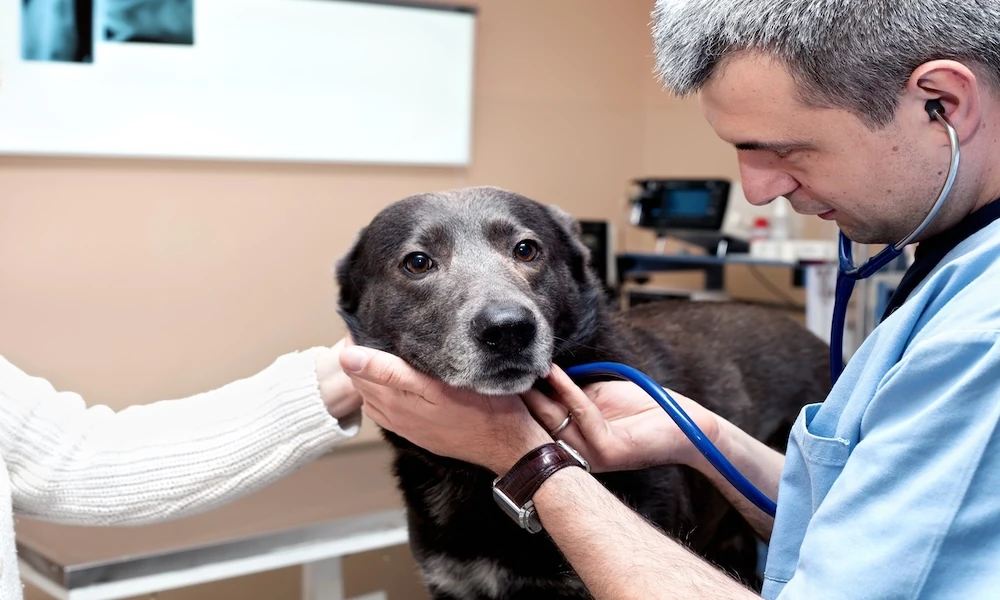
The first step is a full physical exam. This gives your vet a current picture of your pet’s weight, heart health, joints, skin, eyes, ears, and mouth. Even small changes, such as muscle loss or dental disease, can point to larger issues.
The second step is lab work and screening. Blood tests, urine tests, and sometimes blood pressure checks help uncover conditions that may not show obvious symptoms yet. Kidney disease, diabetes, thyroid problems, and liver issues often appear here before they become severe.
The third step is behavior and lifestyle review. This part is easy to overlook, but it matters. Your vet may ask about sleep, pacing, confusion, accidents in the house, appetite, or changes in social habits. These details can reveal pain, anxiety, or cognitive decline.
The fourth step is updating the care plan. Once your vet has the full picture, they may suggest diet changes, pain support, dental treatment, supplements, medication, or more frequent follow ups. This is why monitoring older pet wellness is never a one time event. It is an ongoing process that shifts with your pet’s needs.
How often should senior pets be checked, and what does each visit help catch?
Many veterinarians recommend that senior pets be seen more often than younger adults, sometimes every six months. That may seem like a lot, especially if your pet appears mostly fine. But six months in a senior pet’s life can bring meaningful change.
The American Veterinary Medical Association notes in its senior pets care brochure that regular exams can help identify age related disease earlier, when treatment may be simpler and less stressful. Early detection can also reduce emergency costs later, which matters for many families trying to balance good care with a real budget.
| Veterinary Monitoring Step | What It Looks For | Why It Matters |
|---|---|---|
| Physical exam | Weight change, joint pain, dental disease, heart or skin issues | Catches visible and hands on signs of aging that pets often hide |
| Blood and urine screening | Kidney disease, diabetes, thyroid changes, liver concerns | Finds problems before major symptoms show up |
| Behavior review | Confusion, sleep changes, house accidents, appetite shifts | Helps spot pain, anxiety, or cognitive decline |
| Care plan updates | Diet, medication, supplements, follow up timing | Keeps treatment matched to your pet’s current stage of life |
If you have ever wondered whether a slower walk or a new nighttime habit is worth bringing up, the answer is usually yes. In senior pet care, small details can carry a lot of meaning.
What can you do right now to support better senior pet health monitoring?
1. Start keeping a simple weekly log. Write down changes in eating, drinking, sleep, bathroom habits, movement, and mood. You do not need anything fancy. A few notes on your phone can help your veterinarian spot trends that are easy to miss day to day.
2. Schedule wellness visits before there is a crisis. It is tempting to wait until something looks serious, but aging pets benefit most from preventive visits. Routine checks create a baseline, and that baseline helps your vet notice when something starts to shift.
3. Ask direct questions about comfort and function. Instead of only asking whether your pet is sick, ask whether they seem painful, confused, losing muscle, or struggling with daily routines. Those questions often open the door to better support and earlier treatment.
Where does that leave you as your pet gets older?
It leaves you in an important role, but not a lonely one. You do not have to guess your way through your pet’s senior years, and you do not have to wait for a dramatic problem before acting. With regular exams, screening, close observation, and a care plan that adapts over time, a general veterinarian can help you protect your pet’s comfort and catch concerns earlier.
Aging can feel bittersweet, because you know time is moving faster than you want. Still, this stage can hold a lot of closeness and trust. Paying attention now is one of the kindest things you can do. If your pet is slowing down, sleeping more, or acting differently, schedule a senior wellness visit and talk with your veterinarian about the next right step.