

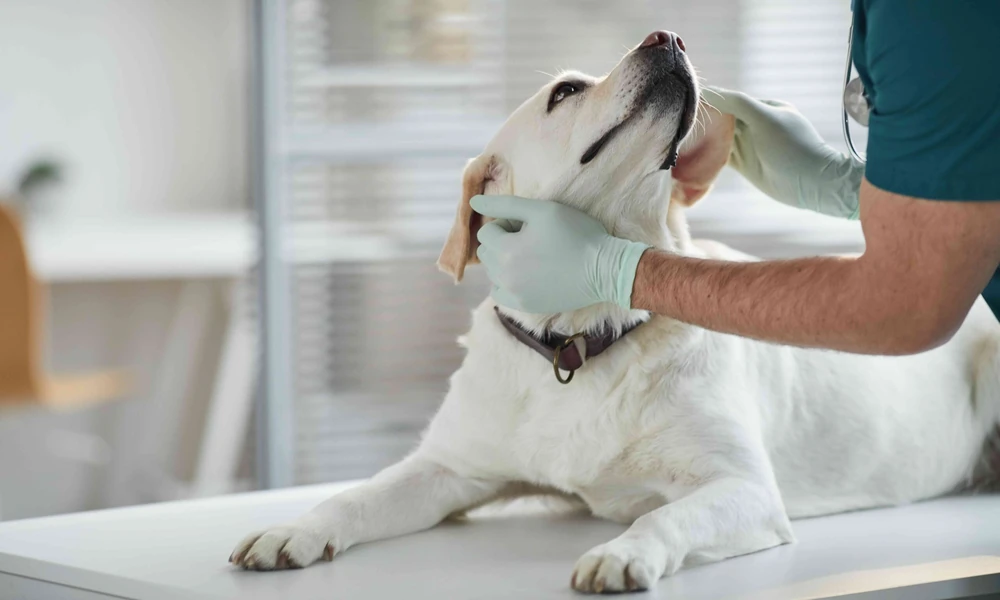
You might already know this feeling. Your pet seems healthy today, but you still wonder what helps them stay well longer, what signs matter early, and whether everyday vet visits at an animal hospital in Fort Collins, CO can do more than treat illness in the moment. That worry is quiet, but it sits with you. If you have ever asked yourself whether routine care can shape a longer, better life for your dog or cat, the short answer is yes. General veterinarians do far more than give vaccines and treat ear infections. They help spot patterns, collect health data, guide owners, and support research that is changing how we understand aging in pets.
That matters because pet aging rarely happens all at once. It shows up in small changes, slower walks, shifting appetite, trouble getting up, new lab values, or behavior that feels just a little off. When those changes are tracked over time, they become useful not just for one pet, but for many. This is where How General Vets Contribute To Pet Longevity Research becomes more than a topic. It becomes part of the care your animal hospital gives every day.
Why do routine vet visits matter so much in pet longevity studies?
Most pet owners think research happens in universities or specialty hospitals, and of course some of it does. But a large part of animal aging research depends on ordinary clinic visits. General vets see pets across every life stage. They record weight, mobility, dental health, bloodwork, chronic disease trends, and owner concerns. Over time, that information helps researchers understand what healthy aging looks like and what tends to shorten it.
Because of this, your family vet often stands at the point where care and science meet. A dog comes in for arthritis pain. Another has early kidney changes. A senior pet starts sleeping more and eating less. On their own, these moments seem personal and small. Together, across many clinics and many years, they help researchers study patterns in aging, disease risk, and resilience.
One of the clearest examples is the Dog Aging Project supported by the National Institute on Aging. This work follows dogs over time to learn how genes, lifestyle, environment, and medical care affect aging. General veterinarians help make that kind of long term tracking possible because they are often the professionals who know a pet’s health story best.
What does a general vet actually add to animal aging research?
It helps to make this concrete. A general vet is not just treating a problem in front of them. They are building a record. They may notice that a dog with steady weight, strong dental care, and regular lab screening catches disease earlier. They may see that pets with untreated obesity develop mobility issues sooner. They may document how preventive care changes outcomes over years, not weeks.
So, where does that leave you as a pet owner? It means your visits are not wasted if your pet seems “fine.” They create a baseline. And without a baseline, subtle decline is easy to miss.
Research in the Dog Aging Project precision cohort shows how long term data can support geroscience, which is the study of aging itself. That kind of work depends on repeated observations, health histories, and biological samples gathered over time. In plain terms, the more consistently a pet is monitored, the more useful the picture becomes.
This is one reason pet longevity research often starts in very familiar places. An annual exam. A follow up on medication. A discussion about diet. A blood panel for a pet who is “just getting older.” Those moments can lead to earlier action, and earlier action often means better quality of life.
How do everyday clinics support better outcomes for pets and better data for science?
There is also a practical side. General vets help standardize what gets measured and when. They can encourage owners to report changes sooner. They can explain which symptoms deserve monitoring. They can also support participation in larger studies by sharing findings, records, and clinical observations when appropriate.
If you want a clearer sense of that role, these key facts about veterinary research show how veterinary teams contribute to organized aging studies. It is not abstract. It is built on exams, owner communication, test results, and follow through.
| General Vet Contribution | How It Helps the Pet | How It Helps Research |
|---|---|---|
| Routine wellness exams | Finds changes early, before symptoms grow | Creates repeat data across the pet’s life |
| Bloodwork and screening | Spots kidney, liver, thyroid, or metabolic issues sooner | Shows how age related disease develops over time |
| Weight and mobility tracking | Supports pain control and healthier activity | Links body condition and movement to lifespan trends |
| Owner interviews | Captures behavior and quality of life changes | Adds real world context to clinical findings |
| Preventive care plans | Reduces avoidable illness and stress | Helps compare outcomes between care patterns |
When you look at it this way, veterinary contributions to pet lifespan studies are not limited to research centers. They happen every day in an animal hospital, often through careful, consistent care that may seem routine at the time.
What can you do right now to support your pet’s long term health?
1. Keep consistent wellness visits. Even if your pet seems stable, regular exams help your vet notice trends you may not see at home. Aging is easier to manage when changes are caught early.
2. Track small changes at home. Write down shifts in sleep, appetite, thirst, stairs, play, or mood. Those details help your vet connect the dots, and they matter in both clinical care and general vet pet health research.
3. Ask bigger questions during routine care. Ask what baseline tests make sense for your pet’s age. Ask what healthy aging looks like for their breed, size, or medical history. Ask what should be watched over the next year, not just today.
Could your local animal hospital play a bigger role than you realized?
Yes, and that is worth remembering. A general veterinarian is often the first person to see age related changes, the person who helps you respond without panic, and the person who turns scattered signs into a plan. They also help move the wider conversation forward by contributing to the growing body of knowledge around longer, healthier pet lives.
If you have been wondering whether routine veterinary care really matters that much, it does. It matters for comfort, for prevention, for early treatment, and for the science that may help pets live better for longer. If your pet is due for a checkup, now is a good time to schedule one with your animal hospital and start building the kind of health record that supports both daily care and long term understanding.