

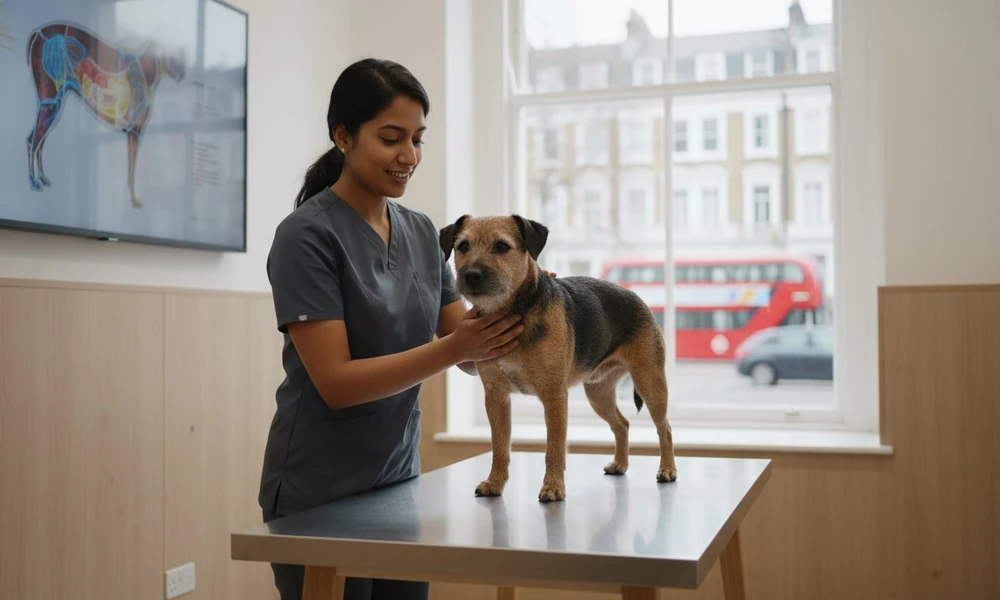
You might not think about the people behind the exam room until your pet is sick, anxious, or suddenly not acting like themselves. In that moment, you are not just looking for an animal hospital or a veterinary clinic in Clermont, FL. You are looking for calm hands, clear answers, and a team that knows what to do when time feels tight. That is why Why Animal Hospitals Invest In Skilled Veterinary Teams matters so much to pet owners. It shapes safety, speed, comfort, and trust, often all at once.
Before a visit, it can feel simple. You schedule an appointment, bring your pet in, and hope for the best. After a hard diagnosis, a surgery recommendation, or even a routine test that turns up something unexpected, you start to see how much depends on the people caring for your animal. A well trained team does more than support the veterinarian. They notice small changes, reduce risk, explain next steps, and help your pet move through treatment with less fear.
What makes skilled veterinary teams so important in an animal hospital?
When people hear the phrase experienced veterinary staff, they often picture technical skill alone. That matters, of course, but it is only part of the story. In a busy animal hospital, strong teams need clinical knowledge, communication skills, and the ability to stay steady under pressure. One pet may need urgent imaging, another may need bloodwork, and another may simply need a gentle approach because they are frightened. The work changes by the minute.
Because of this, hospitals invest in people who can handle both the science and the stress. Veterinary technicians, assistants, and support staff often help with lab work, anesthesia monitoring, patient handling, recordkeeping, and client education. According to the U.S. Bureau of Labor Statistics overview of veterinary technologists and technicians, these roles involve collecting samples, running tests, taking x rays, and helping during procedures. That is not background work. It directly affects the quality of care your pet receives.
So, where does that leave you as a pet owner? It means the strength of the team can shape your entire experience. If your dog needs dental treatment, a skilled technician may catch an anesthesia concern early. If your cat is hiding pain, a trained staff member may spot subtle behavior changes that point to a deeper issue. Those moments matter.
What happens when animal hospitals do not build strong veterinary teams?
The risks are not always dramatic at first. Sometimes they show up as delays, miscommunication, or a pet that becomes more stressed than necessary. A rushed intake can lead to missed details. Weak coordination can slow test results or discharge instructions. In more serious cases, poor training can affect safety during restraint, medication handling, or surgery support.
That is one reason workplace safety and proper protocols matter so much. The CDC guidance on veterinary prevention and safety highlights hazards veterinary teams face, from animal related injuries to chemical and biological exposure. When hospitals invest in training and safety systems, they protect staff and pets at the same time. A team that knows how to prevent injuries, handle materials correctly, and respond to emergencies is better prepared to care for your animal without added risk.
There is also a quieter cost when teams are undertrained. Pets feel tension. Owners feel it too. If no one can explain what is happening in plain language, trust starts to slip. You may leave with more questions than answers, and that can make an already hard day feel heavier.
How do trained veterinary professionals improve care day to day?
In the best hospitals, skill shows up in ways you can see and ways you cannot. You may notice a smoother check in process, a cleaner handoff between staff, or a technician who explains aftercare in a way that finally makes sense. Behind the scenes, you may not see the careful chart review, the accurate sample handling, or the close patient monitoring that keeps treatment on track.
Research settings also reflect how much value there is in expert veterinary support. The NIH veterinary research and resources section shows the depth of knowledge needed to support animal health, welfare, and medical oversight. While a neighborhood animal hospital is different from a research setting, the lesson is similar. Animal care depends on trained people who understand both medicine and humane handling.
This is why many hospitals keep investing in continuing education, updated protocols, and team development. Skilled veterinary teams are not a luxury. They are part of what makes a veterinary clinic function safely and consistently.
What should you look for when comparing an animal hospital?
If you are choosing care for your pet, it helps to know what signs point to a stronger team. Price matters, and so does convenience, but support, safety, and communication often shape outcomes more than people expect.
| What to Compare | Hospital with Skilled Team Investment | Hospital with Limited Team Support |
|---|---|---|
| Patient monitoring | Closer observation during exams, treatment, and recovery | Higher chance of missed changes or slower response |
| Communication | Clear explanations, better discharge guidance, more follow up | Confusing instructions or unanswered questions |
| Safety practices | Stronger handling, sanitation, and protocol use | More room for error and added stress |
| Efficiency | Smoother workflow and faster coordination of care | Delays in testing, treatment, or updates |
| Pet experience | Calmer visits with better fear reduction support | More anxiety during restraint and procedures |
Even routine visits can reveal a lot. Does the staff handle pets with patience? Do they explain what they are doing and why? Do they seem prepared, not just busy? Those details often tell you more than a website ever could.
What can you do right now to choose better veterinary care?
Ask how the team is trained. You do not need to ask technical questions to learn something useful. Ask who monitors anesthesia, who handles lab work, or how staff stay current with training. A strong hospital should be able to answer plainly.
Pay attention to communication. During your first call or visit, notice whether the team listens, explains, and follows through. Good care starts before treatment does. If the staff is clear and calm with you, they are more likely to be steady with your pet too.
Look beyond the veterinarian alone. Many owners focus on the doctor, which makes sense, but animal care is a team effort. The technician, assistant, receptionist, and support staff all affect the quality of the visit. A dependable animal hospital team often means better care from start to finish.
Why does this investment matter so much when your pet needs help?
When your pet is healthy, team quality may seem like a bonus. When your pet is in pain, needs surgery, or faces a long term condition, it becomes everything. You want people who can move quickly without feeling rushed, notice small problems before they grow, and guide you through choices with honesty and care.
That is the real answer to why animal hospitals invest in skilled veterinary teams. They do it because good medicine is never a one person job, and because your pet deserves more than basic treatment. They deserve capable, attentive care from people who know what they are doing and why it matters.
If you are looking for an animal hospital, take a moment to ask about the team behind the scenes. That one step can tell you a great deal about the care your pet is likely to receive.