

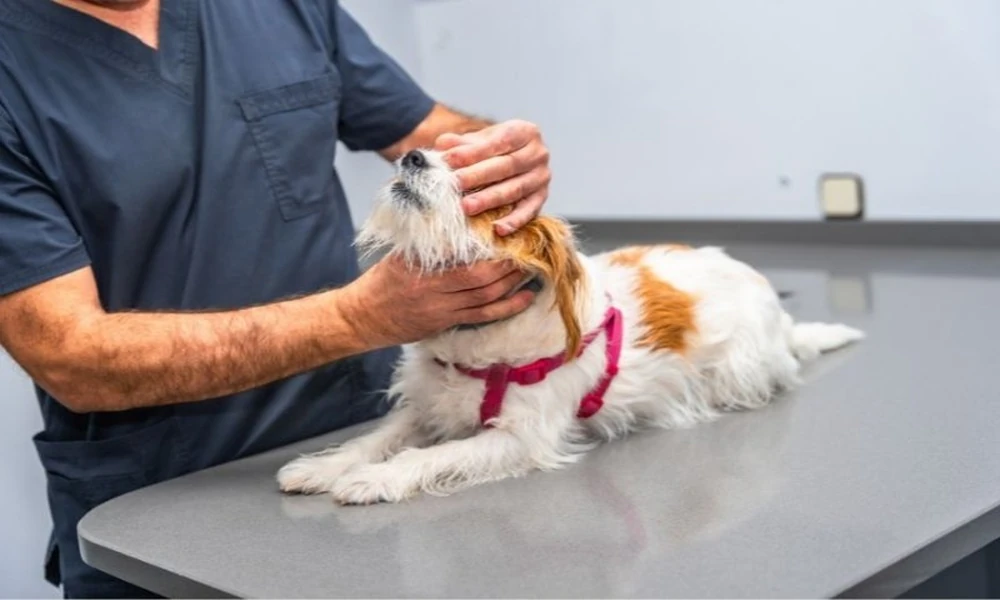
You know your pet’s normal rhythm. You know how they greet you, how they rest, how they eat, and what their eyes look like when they feel fine. So when something shifts, even in a small way, it can stop you cold. One minute you are watching for signs, hoping it will pass. The next, you are wondering if waiting could make things worse. That tension is hard, because you do not want to overreact, but you also do not want to miss a true emergency. In moments like these, having a trusted animal hospital in downtown Fontana can make all the difference.
If you are trying to decide whether your dog or cat needs urgent help, a simple rule can help. When breathing changes, bleeding will not stop, your pet cannot stand or seems to collapse, or there are signs of poisoning, it is time to seek emergency care. Those are four of the clearest signs your pet should visit an animal hospital right away. In many cases, quick treatment can protect your pet from pain, organ damage, or a life threatening crisis.
When Is a Pet Emergency Serious Enough for an animal hospital?
It is easy to second guess yourself when your pet is sick or hurt. Maybe your dog vomited once and then lay down. Maybe your cat is hiding and refusing food, which could be stress, or could be something much more serious. Because pets cannot tell you what they feel, you are left reading body language, energy, and symptoms, often while your mind races.
So, where does that leave you? It helps to focus on signs that point to danger, not just discomfort. According to Ohio State’s guide to what counts as a pet emergency, trouble breathing, seizures, severe bleeding, collapse, and toxin exposure all call for immediate veterinary attention. Cornell’s emergency and critical care service also notes that sudden weakness, repeated vomiting, and serious trauma can become urgent fast.
That is why one of the most important parts of pet care is knowing when home monitoring is no longer enough. If your instincts tell you something is very wrong, do not ignore that feeling. You are often seeing the whole picture, not just one symptom.
What Are the 4 warning signs your pet needs emergency care now?
1. Trouble breathing
If your pet is panting hard at rest, wheezing, choking, stretching their neck to breathe, or showing blue or pale gums, this is an emergency. Breathing problems can be linked to heart disease, allergic reactions, airway blockages, heat illness, or lung trouble. A pet struggling for air can decline in minutes, not hours.
2. Bleeding that does not stop or a serious injury
A cut that keeps bleeding after pressure, a bite wound, a hit by car injury, or any deep wound needs prompt care. Some injuries look smaller than they are. A pet may walk after trauma and still have internal bleeding, broken bones, or damage you cannot see. If your pet cries out when touched, cannot bear weight, or seems shocked and weak, do not wait.
3. Collapse, fainting, seizures, or sudden inability to stand
These signs often frighten pet owners the most, and for good reason. Collapse can point to heart trouble, internal bleeding, neurologic disease, low blood sugar, or toxin exposure. Seizures may last only a short time, but they still need urgent evaluation, especially if they repeat or your pet does not recover normally afterward.
4. Possible poisoning
If your pet may have swallowed medication, chocolate, xylitol, grapes, lilies, cleaners, or rodent poison, treat it as urgent even before symptoms start. Many toxins act quietly at first, then cause severe damage later. Ohio State’s list of common household hazards for pets is a good reminder of how many dangers can be within reach at home.
These are not the only emergencies, of course. Severe vomiting or diarrhea, a swollen belly, inability to urinate, extreme pain, and labor problems can also mean your pet needs help right away. But if you remember these four signs, you will have a strong starting point when the situation feels unclear.
Should you watch and wait, or go to an emergency animal hospital?
Waiting can feel easier in the moment, especially late at night or when symptoms seem to come and go. You may worry about cost, transportation, or being told it was nothing. That is a real concern, and many pet owners wrestle with it. But the risk of waiting is that some conditions become harder and more expensive to treat once they progress.
| Situation | Watch Closely at Home | Go to an Animal Hospital Now |
|---|---|---|
| Breathing | One brief cough, normal breathing after | Labored breathing, wheezing, blue gums, choking |
| Vomiting | Single episode, alert, drinking water | Repeated vomiting, blood, weakness, swollen belly |
| Mobility | Mild limp, still walking and eating | Collapse, cannot stand, sudden paralysis, severe pain |
| Wounds | Small scrape, bleeding stops quickly | Deep wound, bleeding continues, trauma from fall or car |
| Toxin exposure | Unknown minor contact with no ingestion | Known or suspected ingestion of toxic food, medicine, or chemical |
This is where urgent veterinary care for pets can make a real difference. Fast evaluation can answer the question that is keeping you stuck. Is this discomfort, or danger? In a true emergency, minutes matter.
What can you do right now if you think your pet needs emergency veterinary care?
1. Stay calm enough to observe the basics.
Look at your pet’s breathing, gum color, ability to stand, and level of alertness. If you can do so safely, note when symptoms started and what may have caused them. That information helps the medical team move faster.
2. Do not try home fixes that could delay treatment.
Do not give human pain medicine, do not force food or water, and do not induce vomiting unless a veterinary professional tells you to. Some common home responses can make a poisoning or injury worse. If your pet has a seizure, clear the area to prevent injury and avoid putting your hands near the mouth.
3. Transport your pet as safely as possible.
Use a carrier for cats and small dogs. For larger pets, a blanket can help support the body during movement. Keep the environment quiet and limit activity. If you suspect poisoning, bring the package or label of what your pet may have eaten. This small step can guide treatment quickly.
If you have been searching for pet emergency signs or wondering whether you really need an animal hospital, trust what you are seeing when the symptoms are severe, sudden, or unusual for your pet. It is always better to ask than to lose time.
What should you remember when every minute feels heavy?
You do not need to have all the answers before you act. You only need to notice when your pet is showing signs that something is wrong and respond with care. Trouble breathing, serious bleeding or injury, collapse or seizures, and possible poisoning are four clear reasons to seek help right away. When in doubt, err on the side of safety and get your pet evaluated at an animal hospital.
Your pet depends on you, and that can feel heavy in a scary moment. Still, noticing the change, asking the hard question, and moving quickly is exactly what good pet owners do. If your pet is showing any of these signs, seek emergency care now.